Release Date: November 11, 2015
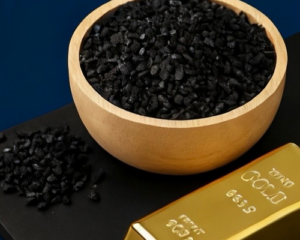
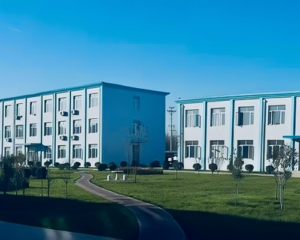
We were honored to welcome Professor Wang Tonghua, PhD Supervisor from the School of Chemical Engineering at Dalian University of Technology, to our company for an exclusive technical guidance session. As a renowned expert in carbon materials and membrane science, Professor Wang’s insights provided valuable direction for our team’s work on porous carbon and activated carbon applications.
About Professor Wang Tonghua
With decades of academic and research experience in chemical engineering, Professor Wang holds a Master of Engineering degree in Coal Processing Engineering from Dalian Institute of Technology. He has served at Dalian University of Technology since 1985, progressing from Lecturer to Professor and PhD Supervisor, and currently contributes to multiple academic journals as an editorial board member and reviewer.
His professional affiliations include: Editorial Board Member ofJournal of Membrane Science and Technology, Guest Editorial Board Member ofEnvironmental Science and Technology, reviewer for the National Natural Science Foundation of China, and referee for top international and domestic journals such asJournal of Membrane Science and New Carbon Materials.
Key Insights from Professor Wang’s Sharing
During the session, Professor Wang delivered a targeted presentation focused on practical applications for industrial scenarios, covering core topics:
Fundamental characteristics and properties of porous carbon materials
Comprehensive overview of activated carbon, including production principles and performance indicators
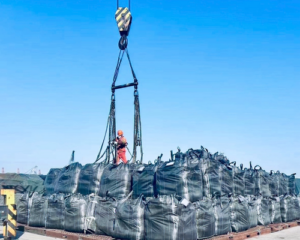
Industrial applications of porous carbon across sectors such as environmental protection and material processing
Efficient activated carbon regeneration techniques and their cost-effectiveness in industrial settings
Value for Our Team & Business
Professor Wang’s expertise bridged the gap between academic theory and industrial practice. Our team gained a deeper understanding of the functional mechanisms and application boundaries of porous carbon and activated carbon, enabling us to integrate evidence-based strategies into daily operations.
This guidance not only enhanced our team’s technical capabilities but also laid a solid foundation for optimizing our carbon material-related processes, improving product performance, and exploring new application scenarios.
We extend our sincere gratitude to Professor Wang for his valuable time and insights. We look forward to future academic-industrial collaborations to drive innovation in carbon material technologies.